
Bill Gates once watched a computer crash live on stage in front of the entire tech industry.
Elon Musk once smashed his own “unbreakable” truck window on live TV.
If it can happen to them, it can happen to anyone.
Here are 8 corporate events and brand activations that went viral for all the wrong reasons. Each one is a masterclass in what happens without a contingency plan.
This conversation happens after most corporate employee engagement events.
1. The Chocolate Experience That Wasn’t
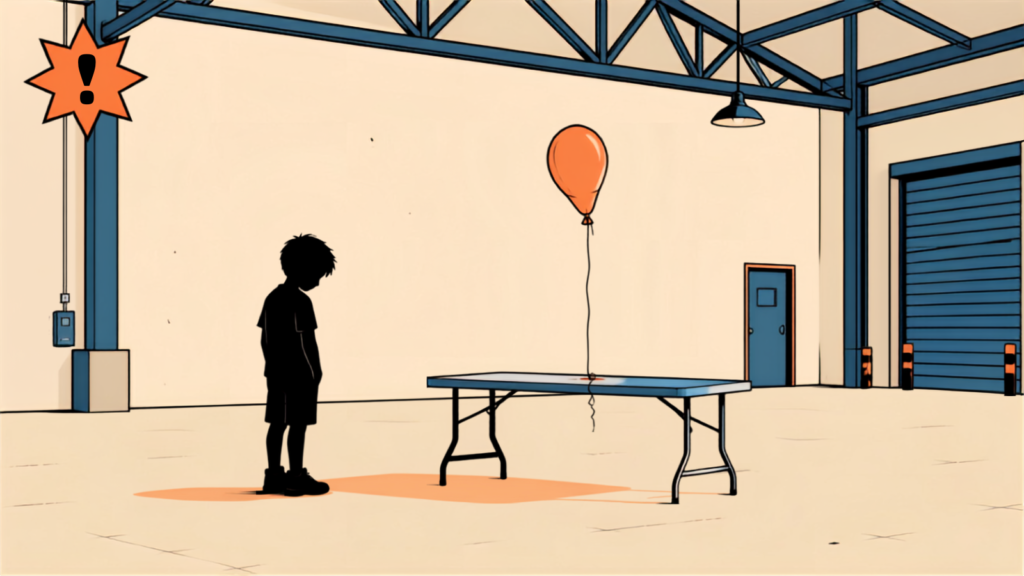
Glasgow, 2024. A “Willy Wonka”-themed experience promised a chocolate wonderland straight out of the movies.
Families paid roughly £35 a ticket.
They got a half-empty warehouse. A few plastic props. Actors reciting AI-generated scripts. Kids were handed two sweets and a quarter-glass of lemonade.
Parents called the police. The event shut down after four hours. Every ticket got refunded.
The gap between the marketing and the reality was the whole problem. Real production, real decor, real experience. None of it showed up on site.
The lesson: What you promise has to match what you deliver. Every single time.

2. The Truck Window Heard Round the World
Los Angeles, 2019. A major automaker wanted to prove its new truck’s windows were unbreakable.
So they threw a metal ball at one. On stage. Live.
It shattered. Twice.
The presenter stood next to the broken glass and kept talking like nothing happened. The company’s stock dropped over 5% the next trading day.
The wildest part? The glass had already cracked in rehearsal earlier that day. They ran it live anyway.
The lesson: If it broke in rehearsal, it’s not ready for the stage.
3. The Blue Screen Seen Around the World
COMDEX trade show, 1998. A major tech company wanted to show off “plug and play.” Plug in a scanner, watch it just work.
They plugged it in.
The whole computer crashed. Live. In front of Bill Gates.
Blue screen, frozen system, dead silence in the room. Gates’ deadpan response: “That must be why we’re not shipping Windows 98 yet.”
Nearly 30 years later, people still bring this up as the gold standard of live demo disasters.
The lesson: Test with the exact device you’re using on stage. Every time. No exceptions.
4. The Foam Pit That Wasn’t Deep Enough
TwitchCon, 2022. A gaming convention booth set up a “gladiator” foam pit as a fun photo moment.
Except it wasn’t built like a real foam pit. Standard gymnastics pits run 4 to 8 feet deep. This one was reportedly less than 2 feet over a hard base.
A streamer jumped in and broke her back in two places. Surgery followed. At least one other attendee dislocated a knee.
The pit closed the next day. The internet did not let it go.
The lesson: A liability waiver is not a safety inspection. If people are going to physically interact with something, it needs to be built and certified to an actual standard first.
5. The 25-Foot Popsicle That Melted the Street
Union Square, NYC, 2005. A beverage brand wanted a Guinness World Record: the world’s largest popsicle. 25 feet tall. 17.5 tons. First day of summer.
In 80-degree heat.
It started melting before the crane could even get it fully upright. Kiwi-strawberry syrup flooded the street. Firefighters closed roads and hosed it down. One woman fell and sprained her ankle badly enough to need a hospital visit. Three cyclists got knocked off their bikes.
The company’s own spokesperson later admitted the pop probably wasn’t frozen all the way through.
The lesson: If your activation depends on beating the weather, you need a real plan for what happens when the weather wins. Not a hope.
6. The Ad Pulled in 24 Hours
2017. A soda brand released an ad showing a celebrity leaving a photoshoot to join a protest, then handing a police officer a can of soda mid-demonstration.
The backlash was immediate and it was everywhere.
Critics called it a tone-deaf trivialization of real social movements. The company pulled the ad within about 24 hours and issued a public apology, including a direct apology to the celebrity they’d put in the middle of it.
It’s still cited today as the textbook example of a brand borrowing serious cultural imagery without thinking it through.
The lesson: Anything touching a real social or political moment needs eyes outside the room that made it. An echo chamber won’t catch what an outside perspective will.
7. The Festival That Became a Documentary. Twice.
Bahamas, 2017. A “luxury” music festival promised gourmet dining, upscale villas, and A-list performers, all hyped by top supermodels on social media.
Guests paid anywhere from $1,200 to $12,000 a ticket.
They got disaster tents, cheese sandwiches, and cancelled flights home.
The headline act pulled out the day before it started. Guests were stranded on the island with no real infrastructure in place. The founder was later convicted of fraud and sentenced to six years in prison.
It’s now the universal shorthand for an event with zero operational backbone. Two separate documentaries got made about it.
The lesson: Marketing hype is not a logistics plan. Real events need real infrastructure locked down months out, not scrambled together after the tickets are sold.
8. The Robot That Collapsed on Stage
Computex 2026, Taipei. A major chipmaker brought a humanoid robot on stage to show off its new AI hardware during a live keynote.
The robot walked out.
Then it just… collapsed. In a heap. On stage. In front of everyone.
Stagehands in black rushed out to cover it and carry it off, which somehow made the moment even more memorable. The company later explained a “communication glitch” triggered the robot’s built-in safety shutdown.
The clip was everywhere within hours.
The lesson: Live tech demos need a real fallback plan, not just a backup unit sitting in a closet somewhere. If it can glitch, assume it will, and know exactly what happens next when it does.
Why Corporate Event Disasters Keep Happening
Look at the pattern across all eight stories.
Nobody planned for the thing that actually went wrong.
Not because they were careless. Because the thing that broke wasn’t on anyone’s checklist. The truck window that already cracked. The foam pit nobody measured. The popsicle nobody stress-tested against an 80-degree forecast.
Here’s what the data says about how common this actually is. According to the Incentive Research Foundation, 59% of event planners reported at least one disruption that affected their event’s outcome in the past year. Weather and vendor failures are the two most common categories, at 38% and 28% respectively.
This isn’t rare. It’s the default. The planners who avoid becoming the next viral headline are the ones who planned for it anyway.
What Actually Prevents This
You don’t need to eliminate risk. You need a real plan for when something goes wrong anyway.
1. Rehearse on the real hardware, every time.
Not a similar unit. Not “it worked yesterday.” The exact setup, tested right before it goes live.
2. Build a real weather contingency, not a hope.
A covered backup location. A clear go/no-go decision made early, not 48 hours out when it’s already too late to pivot.
3. Vet every vendor and have a backup for the ones that matter most.
If one vendor failing sinks your event, that’s not a vendor. That’s a single point of failure.
4. Get outside eyes on anything sensitive.
Before it goes live, before it’s public, someone outside the room should look at it with fresh eyes.
5. Inspect anything guests will physically touch.
A waiver protects you legally. It doesn’t protect your guests. Build it right the first time.
This is the exact framework we run every activation through — see our full Reliability Promise for how it works.
Want an activation partner who’s already thought through what could go wrong, so you don’t have to find out live? Airbrush Events runs every event on a Zero-Failure framework. Not sure what to ask any vendor before you sign? Check our vendor intake checklist first.
Get a quote for your next event.